

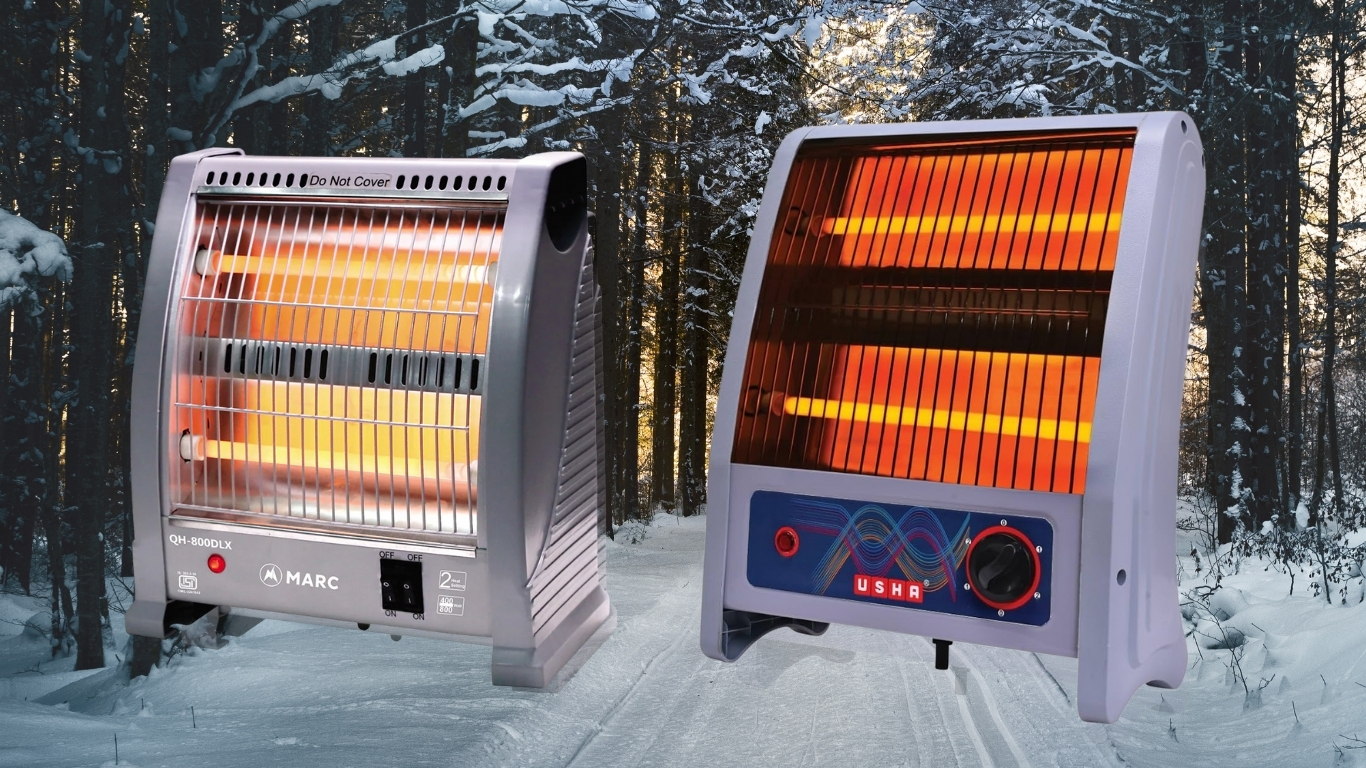
 As winters become harsher and electrical heating appliances more common in Indian homes and industries, heater rod safety has become a critical concern. Once considered a simple metal element, the heater rod has undergone significant technological evolution to meet modern safety, efficiency, and durability standards.
1. From Basic Metal Rods to Engineered Heating Elements
Earlier heater rods were made from plain metal wires with minimal insulation. While effective at generating heat, they posed serious risks such as:
-
Electric shock
-
Overheating
-
Short circuits
-
Fire hazards
Modern heater rods now use engineered alloys like nichrome and kanthal, which offer:
-
Higher melting points
-
Better heat stability
-
Reduced oxidation
-
Longer operational life
These materials ensure consistent heating without sudden temperature spikes, improving overall safety.
2. Advanced Insulation for Electrical Safety
One of the biggest improvements in heater rod technology is multi-layer insulation.
Today’s heater rods feature:
-
High-grade ceramic insulation
-
Magnesium oxide (MgO) powder filling
-
Heat-resistant outer sheathing
These layers prevent current leakage, protect users from electric shock, and reduce the risk of internal short circuits—especially important during long winter usage.
3. Improved Temperature Control & Heat Distribution
Older heater rods often heated unevenly, leading to:
-
Localized overheating
-
Rod burnout
-
Damage to surrounding appliances
Modern designs focus on uniform heat distribution, ensuring:
-
Stable surface temperature
-
Reduced stress on internal components
-
Lower fire risk
Some advanced heater rods are now compatible with thermostatic controls, allowing automatic cut-off once the desired temperature is reached.
4. Corrosion-Resistant & Moisture-Safe Designs
Winter environments often bring moisture and condensation, which can degrade traditional heating elements.
To combat this, modern heater rods now include:
-
Stainless steel or Incoloy sheathing
-
Anti-rust coatings
-
Moisture-resistant sealing
These features make heater rods safer for use in humid areas, water heaters, and industrial applications during winter.
5. Energy-Efficient Heating for Reduced Load
Safety is not just about preventing shocks or fires—it’s also about electrical load management.
Modern heater rods are designed to:
-
Heat faster with optimized resistance
-
Consume less power
-
Reduce stress on household wiring
This minimizes the chances of overloaded circuits, which are a common cause of winter electrical accidents.
6. Compliance with Modern Safety Standards
Today, quality heater rods are manufactured under strict safety norms, including:
-
IS (Indian Standards) certification
-
High-voltage insulation testing
-
Thermal endurance tests
-
Leakage current checks
These standards ensure heater rods can withstand continuous winter use without failure.
7. Smart Manufacturing & Quality Testing
Manufacturers now use precision winding machines, automated resistance testing, and thermal imaging to detect faults before products reach the market.
This shift toward technology-driven manufacturing has significantly reduced defect rates and improved consumer safety.
Conclusion: Safer Winters Through Smarter Heater Rod Technology
Heater rod technology has come a long way—from basic heating wires to highly engineered, safety-focused components. With advancements in materials, insulation, temperature control, and testing, modern heater rods provide reliable warmth without compromising safety.
As winter demand continues to rise, choosing technologically advanced heater rods is essential for ensuring comfort, efficiency, and peace of mind.